<?xml version="1.0" encoding="UTF-8"?><rss version="2.0"
	xmlns:content="http://purl.org/rss/1.0/modules/content/"
	xmlns:wfw="http://wellformedweb.org/CommentAPI/"
	xmlns:dc="http://purl.org/dc/elements/1.1/"
	xmlns:atom="http://www.w3.org/2005/Atom"
	xmlns:sy="http://purl.org/rss/1.0/modules/syndication/"
	xmlns:slash="http://purl.org/rss/1.0/modules/slash/"
	>

<channel>
	<title>Gastric Bypass &#8211; Dr Stephen Watson</title>
	<atom:link href="https://lapsurgery.com.au/tag/gastric-bypass/feed/" rel="self" type="application/rss+xml" />
	<link>https://lapsurgery.com.au</link>
	<description>Dr Stephen Watson - Weight Loss Surgery, Lapsurgery, Hernia, Health Care, Diabetes</description>
	<lastBuildDate>Fri, 15 Nov 2024 04:52:16 +0000</lastBuildDate>
	<language>en-US</language>
	<sy:updatePeriod>
	hourly	</sy:updatePeriod>
	<sy:updateFrequency>
	1	</sy:updateFrequency>
	<generator>https://wordpress.org/?v=7.0</generator>

<image>
	<url>https://lapsurgery.com.au/wp-content/uploads/2025/07/cropped-Dr-Stephen-Watson-Fav-Icon-32x32.png</url>
	<title>Gastric Bypass &#8211; Dr Stephen Watson</title>
	<link>https://lapsurgery.com.au</link>
	<width>32</width>
	<height>32</height>
</image> 
	<item>
		<title>Gastric Bypass Surgery An Overview</title>
		<link>https://lapsurgery.com.au/2024/11/gastric-bypass-surgery-an-overview/20108/</link>
		
		<dc:creator><![CDATA[Stephen Watson]]></dc:creator>
		<pubDate>Fri, 08 Nov 2024 04:39:45 +0000</pubDate>
				<category><![CDATA[Gastric]]></category>
		<category><![CDATA[Australia]]></category>
		<category><![CDATA[Gastric Bypass]]></category>
		<category><![CDATA[Gastric Bypass Surgery]]></category>
		<category><![CDATA[Perth]]></category>
		<guid isPermaLink="false">https://lapsurgery.com.au/?p=20108</guid>

					<description><![CDATA[Lapsurgery.com.au, Gastric Bypass Surgery An Overview &#8211; Gastric bypass surgery is a weight-loss procedure primarily designed for individuals who struggle with severe obesity and related health issues. It involves altering the digestive system to help patients consume fewer calories and absorb fewer nutrients, leading to significant weight loss over time. As one of the most <div class="btn-more-wrapper"><a href="https://lapsurgery.com.au/2024/11/gastric-bypass-surgery-an-overview/20108/" class="btn btn-sm"><svg class="icon icon-right-arrow" version="1.1" xmlns="http://www.w3.org/2000/svg" width="32" height="32" viewbox="0 0 32 32"><path d="M21.548 5.088c-0.436-0.451-1.162-0.451-1.613 0-0.436 0.436-0.436 1.162 0 1.596l8.177 8.177h-26.984c-0.629 0.001-1.129 0.501-1.129 1.13s0.5 1.145 1.129 1.145h26.984l-8.177 8.162c-0.436 0.451-0.436 1.178 0 1.613 0.451 0.451 1.178 0.451 1.613 0l10.113-10.113c0.451-0.436 0.451-1.162 0-1.596l-10.113-10.114z"></path></svg>Read More<span class="screen-reader-text"> "Gastric Bypass Surgery An Overview"</span><svg class="icon icon-right-arrow" version="1.1" xmlns="http://www.w3.org/2000/svg" width="32" height="32" viewbox="0 0 32 32"><path d="M21.548 5.088c-0.436-0.451-1.162-0.451-1.613 0-0.436 0.436-0.436 1.162 0 1.596l8.177 8.177h-26.984c-0.629 0.001-1.129 0.501-1.129 1.13s0.5 1.145 1.129 1.145h26.984l-8.177 8.162c-0.436 0.451-0.436 1.178 0 1.613 0.451 0.451 1.178 0.451 1.613 0l10.113-10.113c0.451-0.436 0.451-1.162 0-1.596l-10.113-10.114z"></path></svg></a></div>]]></description>
										<content:encoded><![CDATA[<p>Lapsurgery.com.au, <a title="Gastric Bypass" href="https://lapsurgery.com.au/2024/11/sleeve-gastrectomy-in-perth/20103/">Gastric Bypass</a> Surgery An Overview &#8211; Gastric bypass surgery is a weight-loss procedure primarily designed for individuals who struggle with severe obesity and related health issues. It involves altering the digestive system to help patients consume fewer calories and absorb fewer nutrients, leading to significant weight loss over time. As one of the most common types of bariatric surgery, gastric bypass has proven effective in helping patients achieve and maintain substantial weight loss, improve health conditions, and enhance quality of life.<br />
<span id="more-20108"></span></p>
<h2>What is Gastric Bypass Surgery?</h2>
<p><img fetchpriority="high" decoding="async" class="aligncenter wp-image-20109 size-full" title="Gastric Bypass Surgery An Overview" src="https://lapsurgery.com.au/wp-content/uploads/2024/11/gastric-bypass-surgery.png" alt="Image Gastric Bypass Surgery An Overview" width="1024" height="718" srcset="https://lapsurgery.com.au/wp-content/uploads/2024/11/gastric-bypass-surgery.png 1024w, https://lapsurgery.com.au/wp-content/uploads/2024/11/gastric-bypass-surgery-300x210.png 300w, https://lapsurgery.com.au/wp-content/uploads/2024/11/gastric-bypass-surgery-768x539.png 768w" sizes="(max-width: 1024px) 100vw, 1024px" /></p>
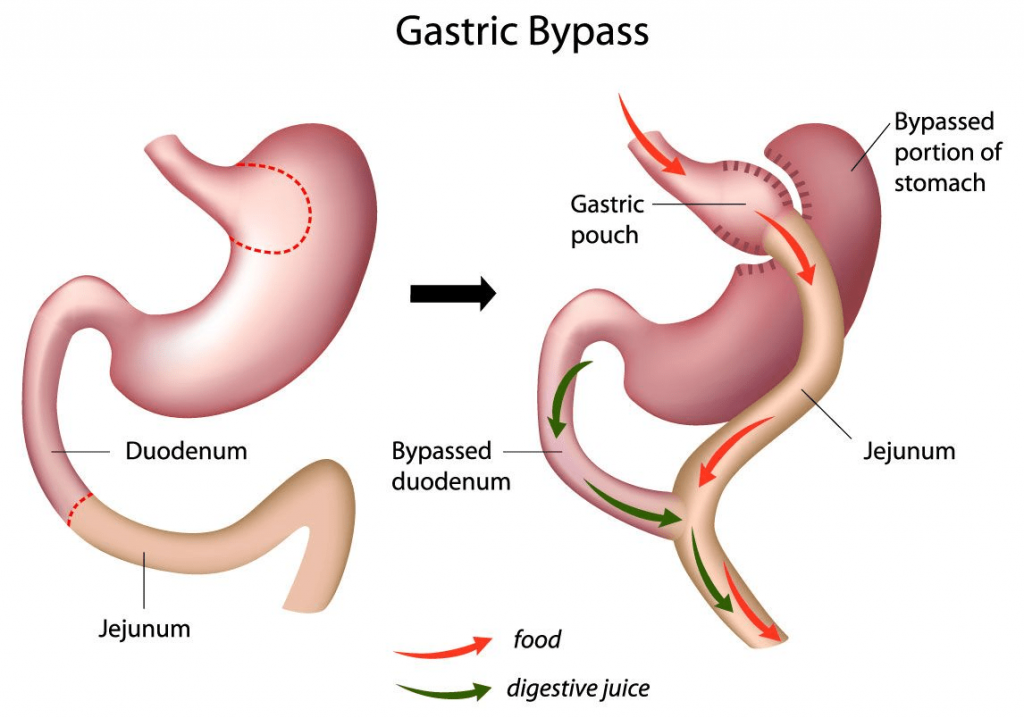
<p>Gastric bypass surgery, technically called Roux-en-Y gastric bypass, is a procedure that reduces the size of the stomach and reroutes part of the digestive system. In this surgery, a small pouch is created from the stomach, significantly reducing its size. This pouch is then connected directly to the small intestine, bypassing a large part of the stomach and the first section of the small intestine (duodenum). The surgery essentially restricts food intake and reduces calorie and nutrient absorption.</p>
<h3>How Does Gastric Bypass Work?</h3>
<p>Gastric bypass works in two main ways:</p>
<ul>
<li>Restricting Stomach Size: By creating a small stomach pouch, the procedure limits the amount of food the patient can eat at one time. Patients feel full after consuming smaller meals, helping them to control portion sizes.</li>
<li>Reducing Nutrient Absorption: The bypassed section of the small intestine reduces the absorption of calories and nutrients, which further contributes to weight loss.</li>
</ul>
<h3>Who is a Candidate for Gastric Bypass?</h3>
<p>Typically, candidates for gastric bypass surgery include individuals who:</p>
<ul>
<li>Have a Body Mass Index (BMI) of 40 or higher (extreme obesity).</li>
<li>Have a BMI of 35 or higher and suffer from obesity-related conditions like type 2 diabetes, hypertension, or sleep apnea.</li>
<li>Have tried and been unsuccessful in losing weight through traditional methods such as diet and exercise.</li>
<li>Are willing to make lifelong changes to their diet and lifestyle post-surgery.</li>
</ul>
<h3>Benefits of Gastric Bypass Surgery</h3>
<p>For many patients, gastric bypass offers significant health and lifestyle benefits, including:</p>
<ul>
<li>Substantial and Sustained Weight Loss: Patients typically lose 60-80% of their excess weight within two years of surgery.</li>
<li>Improvement or Resolution of Health Conditions: Many obesity-related health issues, such as type 2 diabetes, high blood pressure, high cholesterol, and sleep apnea, improve significantly after surgery.</li>
<li>Increased Mobility and Quality of Life: Reduced weight allows for greater physical mobility, which can improve overall quality of life and psychological well-being.</li>
<li>Lower Risk of Obesity-Related Complications: By achieving a healthier weight, patients reduce their risk of future health complications linked to obesity.</li>
</ul>
<h3>Risks and Complications</h3>
<p>While gastric bypass is a generally safe procedure, it does carry certain risks and potential complications, including:</p>
<ul>
<li>Nutritional Deficiencies: Due to reduced nutrient absorption, patients may develop deficiencies in vitamins and minerals, such as iron, calcium, and vitamin B12, requiring lifelong supplementation.</li>
<li>Dumping Syndrome: A condition where food moves too quickly from the stomach to the small intestine, causing symptoms like nausea, vomiting, dizziness, and diarrhea.</li>
<li>Infection and Surgical Complications: As with any surgery, there is a risk of infection, blood clots, and complications related to anesthesia.</li>
<li>Ulcers and Bowel Obstruction: Some patients may develop ulcers or blockages in the digestive tract, requiring additional medical intervention.</li>
</ul>
<h3>The Recovery Process</h3>
<p>Recovery from gastric bypass surgery typically involves:</p>
<ul>
<li>Hospital Stay: Most patients remain in the hospital for 2-3 days post-surgery to monitor for complications.</li>
<li>Gradual Diet Progression: Patients start with a liquid diet, gradually progressing to soft foods, and eventually solid foods over several weeks. This transition helps the stomach adapt to its new size.</li>
<li>Lifestyle Changes: A successful outcome from gastric bypass requires lifelong lifestyle changes, including portion control, mindful eating, and regular exercise.</li>
<li>Regular Follow-ups: Ongoing monitoring by healthcare providers is crucial to track progress, manage any complications, and adjust vitamin and mineral supplementation as needed.</li>
</ul>
<h3>Expected Results and Long-Term Success</h3>
<p>Gastric bypass surgery has one of the highest success rates among bariatric procedures, with patients experiencing substantial weight loss and health improvements. Many patients maintain weight loss long-term, though it requires commitment to lifestyle and dietary adjustments. With adherence to post-surgery guidelines, the majority of patients see lasting positive effects on their health and quality of life.</p>
<h3>Psychological and Emotional Aspects of Gastric Bypass</h3>
<p>Gastric bypass surgery not only brings physical changes but also deeply impacts emotional and psychological health. Many patients experience a sense of renewed confidence and self-esteem as they lose weight and gain greater physical mobility. However, the adjustment can also be challenging, and it’s common to experience a range of emotions during the post-surgery period. Some considerations include:</p>
<ul>
<li>Mental Health Support: Because significant weight loss can be psychologically taxing, counseling and support groups can be invaluable. Many healthcare teams include mental health professionals to help patients cope with the adjustment and stay motivated.</li>
<li>Body Image and Adjustment: As the body undergoes rapid changes, patients may struggle with body image issues or dissatisfaction even after achieving weight loss. Support groups and counseling can help address these feelings and create a positive body image.</li>
<li>Managing Emotional Eating: Many people with obesity have used food as a coping mechanism. Learning new ways to manage emotions without turning to food is often a critical aspect of post-surgical care and long-term success.</li>
</ul>
<h3>Diet and Nutrition Post-Surgery</h3>
<p>Following a gastric bypass, dietary changes are not just recommended they’re essential. The new stomach size and rerouted digestive pathway mean that the body’s ability to absorb nutrients is reduced, so patients must follow a strict diet to avoid complications. Key dietary adjustments include:</p>
<ul>
<li>Smaller, Frequent Meals: Due to the reduced stomach size, patients are advised to eat smaller portions and avoid large meals. Eating slowly and chewing thoroughly also help to avoid digestive issues.</li>
<li>Focus on Protein: Protein becomes a dietary priority, as it aids in muscle maintenance and overall health. Common sources include lean meats, eggs, tofu, and beans.</li>
<li>Vitamin and Mineral Supplements: Supplements are typically required to prevent nutrient deficiencies. This often includes multivitamins, calcium, vitamin D, iron, and vitamin B12. Regular blood tests help monitor these levels and adjust supplementation as needed.</li>
<li>Avoiding Certain Foods: Sugary and high-fat foods can lead to “dumping syndrome” and cause discomfort. Carbonated drinks, alcohol, and caffeine are also discouraged, as they can irritate the stomach or lead to dehydration.</li>
</ul>
<h3>Exercise and Physical Activity</h3>
<p>Regular physical activity is crucial after gastric bypass surgery, helping to enhance weight loss, improve cardiovascular health, and prevent muscle loss. Some recommendations include:</p>
<ul>
<li>Start Slowly: After surgery, patients should gradually ease into physical activity. Walking and light stretching are often recommended in the initial recovery period.</li>
<li>Progressive Strength Training: Building muscle helps support weight loss and improves metabolism. Gradually incorporating strength training into a routine can be effective.</li>
<li>Long-Term Activity Commitment: Maintaining regular exercise (150 minutes of moderate activity per week) is essential for long-term weight management. Activities like swimming, cycling, yoga, and resistance exercises are often helpful options.</li>
</ul>
<h3>Long-Term Follow-Up and Health Monitoring</h3>
<p>Gastric bypass surgery requires ongoing medical follow-up to ensure health and prevent complications. This long-term monitoring helps track weight loss progress, manage potential nutritional deficiencies, and address any emerging health issues. Typical follow-up care includes:</p>
<ul>
<li>Regular Check-ups: Patients often have frequent check-ups during the first year post-surgery to monitor their recovery, adjust supplements, and evaluate progress. After that, annual or semi-annual visits are common.</li>
<li>Blood Tests and Screening: Routine blood tests help check for nutrient deficiencies, assess kidney and liver function, and monitor blood glucose levels.</li>
<li>Supportive Services: Nutritional counseling, mental health support, and exercise coaching may be provided to assist patients in maintaining their new lifestyle.</li>
</ul>
<h3>Potential Alternatives to Gastric Bypass</h3>
<p>For individuals who may not be ideal candidates for gastric bypass, other bariatric surgery options exist, such as:</p>
<ul>
<li>Gastric Sleeve Surgery: Also known as sleeve gastrectomy, this procedure reduces the stomach size by about 80%, forming a small, sleeve-like stomach. It restricts food intake but doesn’t significantly affect nutrient absorption.</li>
<li>Adjustable Gastric Banding: Also called a “lap band,” this procedure places an adjustable band around the upper part of the stomach, creating a small pouch. It’s a reversible and less invasive option, though weight loss results are often more gradual.</li>
<li>Duodenal Switch: This procedure combines a gastric sleeve with an intestinal bypass. It’s effective for extreme cases of obesity but carries higher risks of complications.</li>
<li>Patients should discuss these options with a healthcare provider to determine the most suitable choice based on their medical history, weight loss goals, and lifestyle.</li>
</ul>
<h3>Success Stories and Testimonials</h3>
<p>Many individuals who have undergone gastric bypass surgery report significant life changes. Common themes in their testimonials include newfound energy, the ability to engage in activities previously limited by weight, and the improvement or even resolution of chronic health issues like diabetes and high blood pressure. Although every journey is unique, the collective experiences emphasize the importance of perseverance, discipline, and the support of family, friends, and medical professionals.</p>
<h4>Conclusion</h4>
<p>Gastric bypass surgery is a life-changing procedure for individuals facing severe obesity and related health challenges. While it involves certain risks and necessitates a lifelong commitment to lifestyle changes, the potential benefits in terms of weight loss, <a title="Dr Stephen Watson" href="https://www.facebook.com/DrStephenWatson" target="_blank" rel="noopener">health improvement</a>, and quality of life are profound. Patients considering this option should consult with a qualified bariatric surgeon to evaluate their suitability for the procedure and to fully understand both the risks and benefits involved.<br />
<script type="application/ld+json">
{
  "@context": "https://schema.org",
  "@type": "NewsArticle",
  "mainEntityOfPage": {
    "@type": "WebPage",
    "@id": "https://lapsurgery.com.au/2024/11/gastric-bypass-surgery-an-overview/20108/"
  },
  "headline": "Gastric Bypass Surgery An Overview",
  "description": "Lapsurgery.com.au, Gastric Bypass Surgery An Overview - Gastric bypass surgery is a weight-loss procedure primarily designed for individuals who struggle",
  "image": "https://lapsurgery.com.au/wp-content/uploads/2024/11/gastric-bypass-surgery.png",  
  "author": {
    "@type": "Person",
    "name": "Dr Stephen Watson",
    "url": "https://lapsurgery.com.au/about-us-2/our-team/"
  },  
  "publisher": {
    "@type": "Organization",
    "name": "Dr Stephen Watson",
    "logo": {
      "@type": "ImageObject",
      "url": "https://lapsurgery.com.au/wp-content/uploads/2024/10/images-10.png"
    }
  },
  "datePublished": "2024-11-08",
  "dateModified": "2024-11-08"
}
</script></p>
]]></content:encoded>


			</item>
		<item>
		<title>Good Nutritional Intake After Gastric Bypass Surgery</title>
		<link>https://lapsurgery.com.au/2024/10/gastric-bypass-surgery/20080/</link>
		
		<dc:creator><![CDATA[Stephen Watson]]></dc:creator>
		<pubDate>Wed, 23 Oct 2024 05:29:39 +0000</pubDate>
				<category><![CDATA[Gastric]]></category>
		<category><![CDATA[Australia]]></category>
		<category><![CDATA[Gastric Bypass]]></category>
		<category><![CDATA[Gastric Bypass Surgery]]></category>
		<category><![CDATA[Perth]]></category>
		<guid isPermaLink="false">https://lapsurgery.com.au/?p=20080</guid>

					<description><![CDATA[Lapsurgery.com.au, Good Nutritional Intake After Gastric Bypass Surgery &#8211; Gastric bypass surgery, a common bariatric procedure for severe obesity, can significantly impact a patient&#8217;s digestion and nutrient absorption. To ensure optimal health and avoid complications post-surgery, it’s essential for patients to understand and commit to good nutritional intake. This article discusses the key elements of <div class="btn-more-wrapper"><a href="https://lapsurgery.com.au/2024/10/gastric-bypass-surgery/20080/" class="btn btn-sm"><svg class="icon icon-right-arrow" version="1.1" xmlns="http://www.w3.org/2000/svg" width="32" height="32" viewbox="0 0 32 32"><path d="M21.548 5.088c-0.436-0.451-1.162-0.451-1.613 0-0.436 0.436-0.436 1.162 0 1.596l8.177 8.177h-26.984c-0.629 0.001-1.129 0.501-1.129 1.13s0.5 1.145 1.129 1.145h26.984l-8.177 8.162c-0.436 0.451-0.436 1.178 0 1.613 0.451 0.451 1.178 0.451 1.613 0l10.113-10.113c0.451-0.436 0.451-1.162 0-1.596l-10.113-10.114z"></path></svg>Read More<span class="screen-reader-text"> "Good Nutritional Intake After Gastric Bypass Surgery"</span><svg class="icon icon-right-arrow" version="1.1" xmlns="http://www.w3.org/2000/svg" width="32" height="32" viewbox="0 0 32 32"><path d="M21.548 5.088c-0.436-0.451-1.162-0.451-1.613 0-0.436 0.436-0.436 1.162 0 1.596l8.177 8.177h-26.984c-0.629 0.001-1.129 0.501-1.129 1.13s0.5 1.145 1.129 1.145h26.984l-8.177 8.162c-0.436 0.451-0.436 1.178 0 1.613 0.451 0.451 1.178 0.451 1.613 0l10.113-10.113c0.451-0.436 0.451-1.162 0-1.596l-10.113-10.114z"></path></svg></a></div>]]></description>
										<content:encoded><![CDATA[<p>Lapsurgery.com.au, Good Nutritional Intake After <a title="Gastric bypass Surgery" href="https://lapsurgery.com.au/service/weight-loss-surgery/gastric-bypass-surgery-2/">Gastric Bypass Surgery</a> &#8211; Gastric bypass surgery, a common bariatric procedure for severe obesity, can significantly impact a patient&#8217;s digestion and nutrient absorption. To ensure optimal health and avoid complications post-surgery, it’s essential for patients to understand and commit to good nutritional intake. This article discusses the key elements of a balanced diet after gastric bypass, addressing nutrient needs, food choices, and lifestyle adjustments necessary for recovery and long-term health.<br />
<span id="more-20080"></span></p>
<h2>Importance of a Nutrient-Dense Diet</h2>
<p><img decoding="async" class="aligncenter wp-image-20081" title="Good Nutritional Intake After Gastric Bypass Surgery" src="https://lapsurgery.com.au/wp-content/uploads/2024/11/images-7.jpeg" alt="Image Good Nutritional Intake After Gastric Bypass Surgery" width="888" height="592" srcset="https://lapsurgery.com.au/wp-content/uploads/2024/11/images-7.jpeg 588w, https://lapsurgery.com.au/wp-content/uploads/2024/11/images-7-300x200.jpeg 300w" sizes="(max-width: 888px) 100vw, 888px" /></p>
<p>After gastric bypass, the stomach’s capacity is reduced, meaning patients can only consume small amounts of food at a time. Additionally, changes in the digestive system limit the absorption of certain nutrients, making nutrient-dense foods crucial to prevent deficiencies. Nutrient-dense foods are high in vitamins, minerals, and protein while low in empty calories, which is essential for healing and maintaining health.</p>
<h3>Protein A Foundation for Recovery</h3>
<p>Protein intake is vital after gastric bypass surgery. Protein supports tissue repair, maintains muscle mass, and aids in wound healing. Post-surgery, patients are advised to consume around 60-80 grams of protein per day. Ideal protein sources include:</p>
<ul>
<li>Lean meats such as chicken, turkey, and fish</li>
<li>Eggs Low-fat dairy products like Greek yogurt and cottage cheese</li>
<li>Plant-based options like tofu and legumes</li>
</ul>
<p>Some patients may find it challenging to consume enough protein from food alone, so protein supplements, such as shakes or powders, can be beneficial under a healthcare provider’s guidance.</p>
<h3>Vitamins and Minerals Essential Supplements</h3>
<p>Due to reduced food intake and altered absorption, gastric bypass patients are at risk of vitamin and mineral deficiencies. Routine supplementation is typically required for:</p>
<ul>
<li>Vitamin B12: Important for nerve function and red blood cell production. Patients often need B12 injections or sublingual supplements.</li>
<li>Iron: Critical for oxygen transport in the blood, and deficiencies can lead to anemia. Iron supplements, often combined with vitamin C for better absorption, are recommended.</li>
<li>Calcium and Vitamin D: Necessary for bone health. Calcium citrate is the preferred form post-surgery, as it is more easily absorbed.</li>
<li>Folate: Required for DNA synthesis and cell division, folate is essential, especially for women of childbearing age.</li>
</ul>
<h3>Hydration Avoiding Dehydration</h3>
<p>Staying hydrated is essential, but gastric bypass patients must drink fluids between meals rather than during them to avoid overfilling their reduced stomach. Small, frequent sips of water are recommended, aiming for at least 48–64 ounces of fluid per day. Caffeinated, sugary, and carbonated beverages should be avoided, as they can irritate the stomach and contribute to dehydration.</p>
<h3>Meal Structure Small, Frequent Meals</h3>
<p>Due to reduced stomach size, patients should eat small meals throughout the day, typically 5 &#8211; 6 times, rather than the traditional three large meals. These meals should be balanced with protein, vegetables, and small portions of carbohydrates. This approach helps manage hunger, stabilize blood sugar levels, and promote steady digestion without overwhelming the stomach.</p>
<h3>Mindful Eating Chewing and Eating Slowly</h3>
<p>After gastric bypass, patients must chew food thoroughly and eat slowly to avoid discomfort and promote better digestion. Taking small bites, chewing well, and focusing on the meal without distractions can help prevent overeating and reduce the risk of dumping syndrome a condition where food moves too quickly from the stomach to the intestines, causing nausea, cramping, and diarrhea.</p>
<h3>Avoiding Empty Calories</h3>
<p>Foods and drinks high in sugar, fat, and simple carbohydrates should be avoided as they provide little nutritional value and may lead to dumping syndrome. Patients are encouraged to limit:</p>
<ul>
<li>Sugary snacks and desserts</li>
<li>Fried and fatty foods</li>
</ul>
<p>Sugary drinks, including fruit juices and sodas Instead, prioritize complex carbohydrates, such as whole grains and vegetables, for sustained energy and better nutrient quality.</p>
<h3>Regular Follow-Up with Healthcare Providers</h3>
<p>Regular check-ins with a healthcare provider, including a dietitian, are crucial for monitoring nutrient levels and adjusting the diet as needed. Blood tests are often conducted periodically to ensure adequate levels of vitamins and minerals, and diet adjustments can be made based on the patient’s evolving health needs.</p>
<h3>Lifestyle Adjustments for Long-Term Success</h3>
<p>Adapting to life after gastric bypass surgery goes beyond just dietary changes. Long-term success requires an integrated lifestyle approach that includes regular physical activity, stress management, and continued education on nutrition.</p>
<ul>
<li>Physical Activity: Regular exercise is essential to maintain muscle mass, support weight loss, and improve overall health. Patients are generally encouraged to start with low-impact exercises, such as walking or swimming, and gradually incorporate strength training and other activities. Physical activity also helps improve mood and energy levels, which can be beneficial for maintaining motivation.</li>
<li>Stress Management: Emotional eating and stress-related food choices can undermine progress. Patients are encouraged to adopt stress management techniques, such as mindfulness, deep breathing, or yoga, to help manage their responses to stress in healthier ways. Psychological counseling or support groups can be valuable for those needing more structured emotional support.</li>
<li>Education and Support: Continued education about nutrition and access to support groups can be helpful for patients to stay informed and motivated. Many hospitals and clinics offer post-surgery support groups, both in-person and online, where patients can share their experiences, challenges, and successes.</li>
</ul>
<h3>Avoiding Alcohol and Smoking</h3>
<p>Alcohol and smoking pose unique risks after gastric bypass surgery. Alcohol is absorbed more quickly into the bloodstream due to the reduced stomach size, meaning that even a small amount can lead to intoxication more rapidly. This not only increases the risk of alcohol dependency but also impacts liver health, which is crucial for metabolizing nutrients. Smoking, on the other hand, can interfere with healing and increase the risk of complications, such as ulcers. Patients are advised to avoid both to promote optimal recovery and health.</p>
<h3>Long-Term Health Monitoring</h3>
<p>While the immediate focus after surgery is on recovery, long-term health monitoring is essential for maintaining the benefits of gastric bypass. Patients need to remain vigilant about their nutritional status, as deficiencies can emerge even years after surgery due to the continued limitations on nutrient absorption.</p>
<ul>
<li>Regular Blood Tests: Annual or semi-annual blood tests are necessary to monitor levels of key nutrients like iron, calcium, vitamin B12, and vitamin D. These tests allow for early detection of deficiencies, so adjustments can be made promptly.</li>
<li>Bone Density Scans: Reduced calcium absorption post-surgery can impact bone health, leading to osteoporosis if not managed properly. Bone density scans are sometimes recommended, especially for patients at higher risk.</li>
</ul>
<h3>The Role of a Multidisciplinary Team</h3>
<p>Successful outcomes after gastric bypass surgery are often supported by a team of healthcare providers, including surgeons, dietitians, primary care physicians, and mental health professionals. This multidisciplinary approach ensures that patients receive comprehensive support addressing not only physical but also mental and emotional health needs.</p>
<ul>
<li>Dietitians help design tailored meal plans and adjust dietary recommendations based on individual tolerance and nutritional needs.</li>
<li>Primary Care Physicians monitor overall health and coordinate any necessary specialist referrals.</li>
<li>Mental Health Professionals provide support in managing psychological challenges, such as body image changes, emotional eating, and adjusting to new eating behaviors.</li>
</ul>
<h3>Key Takeaways</h3>
<p>Gastric bypass surgery offers patients a significant opportunity to improve their health and quality of life by helping them achieve sustainable weight loss. However, success relies heavily on a commitment to good nutritional intake, lifestyle adjustments, and long-term health monitoring. By focusing on nutrient-dense foods, ensuring adequate protein, vitamins, and minerals, and establishing habits like mindful eating, patients can prevent complications, support healing, and maintain the benefits of the surgery.</p>
<h3>Building a Sustainable Meal Plan</h3>
<p>Creating a meal plan that aligns with post-surgery needs is essential for both convenience and consistency in meeting nutritional goals. Patients should focus on structured meal plans that prioritize protein, limit sugars and refined carbs, and include a variety of nutrient-dense foods. Here are some strategies for building a balanced, sustainable meal plan:</p>
<ul>
<li>Meal Prepping: Preparing meals in advance can help ensure balanced, portion-controlled food is readily available, which can prevent impulsive eating. This practice also helps patients stick to their dietary goals, especially on busy days.</li>
<li>Portion Control Tools: Using smaller plates and measuring tools can be helpful for managing portion sizes. Many post-surgery patients find success in using measuring cups, digital scales, or portion-controlled containers to keep track of their intake.</li>
<li>Incorporate Variety: Rotating between different lean proteins, vegetables, and whole grains keeps meals interesting and encourages a wide range of nutrients. Trying new healthy recipes or cooking methods, such as grilling or steaming, can help patients enjoy their diet while meeting nutritional needs.</li>
</ul>
<h3>Dealing with Plateaus and Adjusting Intake Over Time</h3>
<p>Weight loss plateaus are common after gastric bypass surgery, typically occurring several months post-surgery. During these plateaus, weight loss slows or temporarily stops, which can be discouraging. It’s important for patients to remember that these phases are normal and often temporary. Strategies to manage plateaus include:</p>
<ul>
<li>Re-Evaluating Caloric Intake: As patients lose weight, their caloric needs may decrease. Adjusting caloric intake, primarily by reducing refined carbs and focusing on protein, can help break through plateaus.</li>
<li>Adjusting Exercise Routine: Increasing or varying physical activity levels, such as incorporating strength training or interval cardio, can help boost metabolism and promote further weight loss.</li>
<li>Consulting with a Dietitian: A dietitian can provide guidance on adjusting portions, food choices, or exercise to help overcome plateaus without compromising nutrition.</li>
</ul>
<h3>Mental and Emotional Adjustments to Dietary Changes</h3>
<p>Undergoing gastric bypass surgery is a life-altering experience that affects more than just physical health; it also involves significant emotional and psychological adjustments. Many patients experience a shift in their relationship with food, which can lead to various emotions as they navigate their new lifestyle. Common mental and emotional considerations include:</p>
<ul>
<li>Body Image Changes: As the body changes rapidly, patients may struggle with body image and self-perception. Counseling or support groups can offer a safe space to process these feelings and build self-confidence.</li>
<li>Social Eating Challenges: Eating out or attending social gatherings can feel challenging post-surgery due to dietary restrictions. Patients may need to plan ahead by researching restaurant menus or bringing suitable snacks, and learning to communicate dietary needs to friends and family can ease social anxiety.</li>
<li>Managing Emotional Eating: Many people struggle with emotional eating, and surgery alone doesn’t eliminate the triggers. Patients should seek tools and resources, like mindfulness practices, journaling, or therapy, to manage emotional eating tendencies in a healthy way.</li>
</ul>
<h3>Maintaining Long-Term Motivation and Accountability</h3>
<p>Long-term success after gastric bypass requires continuous motivation and accountability. Patients can establish structures to support their journey, which might include:</p>
<ul>
<li>Tracking Progress: Keeping a record of meals, exercise, and emotional health can help patients identify patterns and celebrate their progress over time. Apps or journals designed for weight management can be particularly helpful.</li>
<li>Setting Realistic Goals: Breaking down goals into manageable steps such as focusing on weekly exercise targets or small dietary changes helps maintain motivation and reduces overwhelm. Celebrating small victories can encourage sustained progress.</li>
<li>Building a Support Network: Having a supportive network of family, friends, or a bariatric support group can provide encouragement, share useful tips, and create a sense of community.</li>
</ul>
<h4>Conclusion</h4>
<p>Good nutritional intake after gastric bypass surgery is a lifelong commitment that empowers patients to achieve and maintain a healthier weight and lifestyle. By focusing on a balanced, nutrient-rich diet, staying hydrated, and regularly following up with healthcare providers, individuals can significantly reduce the risk of complications and nutritional deficiencies. Additionally, adopting sustainable lifestyle habits such as meal planning, regular physical activity, and stress management <a href="https://www.facebook.com/DrStephenWatson" title="Dr Stephen Watson" target="_blank" rel="noopener">helps</a> ensure long-term success.<br />
<script type="application/ld+json">
  {
    "@context": "https://schema.org/",
    "@type": "Book",
    "name": "Article https://lapsurgery.com.au/2024/10/gastric-bypass-surgery/20080/",
    "aggregateRating": {
      "@type": "AggregateRating",
      "ratingValue": "5",
      "ratingCount": "45762",
      "bestRating": "5",
      "worstRating": "0"
    }
  }
</script></p>
]]></content:encoded>


			</item>
		<item>
		<title>How Much Protein Should You Eat for Laparoscopic Gastric Bypass</title>
		<link>https://lapsurgery.com.au/2024/09/laparoscopic-gastric-bypass/18983/</link>
		
		<dc:creator><![CDATA[Stephen Watson]]></dc:creator>
		<pubDate>Mon, 23 Sep 2024 07:59:39 +0000</pubDate>
				<category><![CDATA[Gastric]]></category>
		<category><![CDATA[Australia]]></category>
		<category><![CDATA[Gastric Bypass]]></category>
		<category><![CDATA[Gastric Bypass Surgery]]></category>
		<category><![CDATA[Laparoscopic Gastric Bypass]]></category>
		<category><![CDATA[Perth]]></category>
		<guid isPermaLink="false">https://lapsurgery.com.au/?p=18983</guid>

					<description><![CDATA[Lapsurgery.com.au, How Much Protein Should You Eat for Laparoscopic Gastric Bypass? &#8211; Laparoscopic gastric bypass, a common bariatric surgery, is an effective tool for weight loss. However, this surgery significantly alters the digestive process, making nutritional management, especially protein intake, critical for recovery and long-term success. Post-surgery, patients need to meet specific dietary goals to <div class="btn-more-wrapper"><a href="https://lapsurgery.com.au/2024/09/laparoscopic-gastric-bypass/18983/" class="btn btn-sm"><svg class="icon icon-right-arrow" version="1.1" xmlns="http://www.w3.org/2000/svg" width="32" height="32" viewbox="0 0 32 32"><path d="M21.548 5.088c-0.436-0.451-1.162-0.451-1.613 0-0.436 0.436-0.436 1.162 0 1.596l8.177 8.177h-26.984c-0.629 0.001-1.129 0.501-1.129 1.13s0.5 1.145 1.129 1.145h26.984l-8.177 8.162c-0.436 0.451-0.436 1.178 0 1.613 0.451 0.451 1.178 0.451 1.613 0l10.113-10.113c0.451-0.436 0.451-1.162 0-1.596l-10.113-10.114z"></path></svg>Read More<span class="screen-reader-text"> "How Much Protein Should You Eat for Laparoscopic Gastric Bypass"</span><svg class="icon icon-right-arrow" version="1.1" xmlns="http://www.w3.org/2000/svg" width="32" height="32" viewbox="0 0 32 32"><path d="M21.548 5.088c-0.436-0.451-1.162-0.451-1.613 0-0.436 0.436-0.436 1.162 0 1.596l8.177 8.177h-26.984c-0.629 0.001-1.129 0.501-1.129 1.13s0.5 1.145 1.129 1.145h26.984l-8.177 8.162c-0.436 0.451-0.436 1.178 0 1.613 0.451 0.451 1.178 0.451 1.613 0l10.113-10.113c0.451-0.436 0.451-1.162 0-1.596l-10.113-10.114z"></path></svg></a></div>]]></description>
										<content:encoded><![CDATA[<p>Lapsurgery.com.au, How Much Protein Should You Eat for <a title="Laparoscopic Gastric Bypass" href="https://lapsurgery.com.au/2020/01/what-is-laparoscopic-gastric-bypass/15422/">Laparoscopic</a> Gastric Bypass? &#8211; Laparoscopic gastric bypass, a common bariatric surgery, is an effective tool for weight loss. However, this surgery significantly alters the digestive process, making nutritional management, especially protein intake, critical for recovery and long-term success. Post-surgery, patients need to meet specific dietary goals to promote healing, prevent muscle loss, and ensure optimal weight loss outcomes. Protein, in particular, is a key nutrient for these patients. But how much protein should you eat after laparoscopic gastric bypass?<br />
<span id="more-18983"></span></p>
<h2>Why Is Protein Important After Gastric Bypass?</h2>
<p><img decoding="async" class="aligncenter wp-image-18986" title="How Much Protein Should You Eat for Laparoscopic Gastric Bypass" src="https://lapsurgery.com.au/wp-content/uploads/2024/09/images-99.jpeg" alt="Image How Much Protein Should You Eat for Laparoscopic Gastric Bypass" width="939" height="527" srcset="https://lapsurgery.com.au/wp-content/uploads/2024/09/images-99.jpeg 739w, https://lapsurgery.com.au/wp-content/uploads/2024/09/images-99-300x168.jpeg 300w" sizes="(max-width: 939px) 100vw, 939px" /></p>
<p>Protein plays an essential role in tissue repair, muscle maintenance, and immune function. After gastric bypass surgery, the body enters a catabolic state due to reduced calorie intake, where it may break down muscle tissue if protein needs aren&#8217;t met. Ensuring an adequate protein intake helps prevent muscle loss and supports healing, especially given the reduced capacity for food intake post-surgery.</p>
<h3>Protein Recommendations After Laparoscopic Gastric Bypass</h3>
<p>Protein needs vary between individuals depending on factors like age, gender, muscle mass, and activity levels. However, general guidelines for post-bariatric surgery patients are:</p>
<ul>
<li>Initial Post-Surgery (First Few Weeks): Patients are typically advised to consume 60 to 80 grams of protein daily. This amount ensures that the body gets enough of the building blocks it needs to promote healing and preserve lean body mass.</li>
<li>Long-Term Protein Intake: As you progress through the recovery stages, long-term protein needs may remain in the range of 60 to 100 grams daily. For some individuals, especially those more active or with a higher muscle mass, this requirement could be higher. Your bariatric dietitian can help tailor the specific protein intake to your individual needs.</li>
</ul>
<h3>How to Meet Protein Requirements</h3>
<p>Post-surgery, it&#8217;s difficult to consume large quantities of food. Therefore, patients must focus on protein-dense foods and supplements. Here are some strategies to meet protein needs after a laparoscopic gastric bypass:</p>
<ul>
<li>Start with Protein Shakes: In the first weeks after surgery, you’ll likely be on a liquid or soft food diet. High-quality protein shakes can provide an easy way to reach your protein goals during this stage.</li>
<li>Introduce Protein-Rich Foods Gradually: As you transition to solid foods, incorporate soft, protein-rich foods like scrambled eggs, cottage cheese, Greek yogurt, and finely ground meats. Over time, you can add other lean protein sources such as chicken, turkey, fish, and tofu.</li>
<li>Eat Protein First: Since your stomach has limited capacity after surgery, it’s crucial to eat protein-rich foods first in each meal before consuming other foods. This ensures you&#8217;re prioritizing your protein intake.</li>
<li>Supplements if Necessary: If you struggle to reach your protein goals through food alone, protein powders or liquid supplements may help fill the gap.</li>
</ul>
<p>Signs You’re Not Getting Enough Protein<br />
If you&#8217;re not meeting your protein needs after gastric bypass, your body may start to show signs of protein deficiency.</p>
<h3>These include</h3>
<ul>
<li>Hair loss: One of the first signs of insufficient protein intake is hair thinning or hair loss.</li>
<li>Muscle loss: You may notice that you&#8217;re losing muscle mass, leading to weakness or fatigue.</li>
<li>Slow wound healing: Protein is essential for tissue repair. Inadequate intake may delay your recovery process.</li>
<li>Increased hunger or cravings: If you&#8217;re not getting enough protein, your body may signal hunger more often as it seeks nutrients it needs.</li>
</ul>
<p>If you experience any of these signs, it’s important to consult with your dietitian or healthcare provider to adjust your diet accordingly.</p>
<h3>Tips for Maintaining Adequate Protein Intake Long-Term</h3>
<p>As you progress further from your surgery date and begin to settle into your new dietary habits, it can become challenging to maintain high protein intake consistently. Here are some strategies to ensure you&#8217;re meeting your protein goals in the long term:</p>
<ul>
<li>Meal Planning and Preparation: Planning your meals in advance helps ensure you&#8217;re incorporating enough protein into every meal. Prep protein-rich snacks like hard-boiled eggs, lean turkey slices, or cheese sticks to grab on the go.</li>
<li>Incorporate Variety: To prevent boredom, mix up your protein sources. Try different types of lean meats, seafood, legumes, and plant-based proteins like lentils or quinoa. This will help you stay engaged with your diet while meeting your nutritional needs.</li>
<li>Use Protein Supplements: Even after you&#8217;ve transitioned to solid foods, protein supplements can still be useful. Choose high-quality protein powders, bars, or ready-to-drink shakes, particularly for convenience when you&#8217;re busy or on the move. Look for low-sugar, high-protein options.</li>
<li>Track Your Protein Intake: Using a food diary or an app can help you track your daily protein consumption. This will give you a clear picture of whether you&#8217;re hitting your target and allow for adjustments if needed.</li>
<li>Focus on Protein at Every Meal: Make protein the star of your plate. Always ask yourself if you’re getting enough protein during each meal and snack, and continue to prioritize protein-rich foods over empty calories or carbs.</li>
<li>Stay Hydrated: While staying hydrated is crucial after surgery, avoid drinking fluids with your meals. Drinking water or other liquids during meals can fill your stomach, making it harder to consume enough protein. Wait 30 minutes before and after eating to drink fluids.</li>
</ul>
<h3>Working with a Dietitian</h3>
<p>Working closely with a registered dietitian, especially in the first year after surgery, can help you maintain the right nutritional balance, including protein. Dietitians specializing in bariatric surgery understand the unique challenges of your recovery and can create a personalized meal plan to meet your protein and overall nutrient needs.</p>
<h3>Potential Risks of Too Little or Too Much Protein</h3>
<p>While getting enough protein is essential, it’s also important not to overdo it. Here are the potential risks of both inadequate and excessive protein intake:</p>
<ul>
<li>Too Little Protein: If you don’t consume enough protein, you risk muscle loss, nutrient deficiencies, poor wound healing, and even compromised immune function. Long-term protein deficiency can also affect your metabolism, making it harder to lose weight or maintain your weight loss.</li>
<li>Too Much Protein: Although it&#8217;s rare, excessive protein intake can also be harmful, especially for individuals with pre-existing kidney conditions. After gastric bypass surgery, your body may have trouble digesting large amounts of protein at once, leading to discomfort, bloating, or digestive issues. Stick to your healthcare provider’s guidelines to avoid these risks.</li>
</ul>
<h3>Protein and Other Nutrient Considerations</h3>
<p>While protein is a cornerstone of post-gastric bypass nutrition, don’t forget about other essential nutrients. Patients often face challenges in absorbing enough vitamins and minerals due to the altered digestive process, so supplements like vitamin D, calcium, iron, and B12 are commonly recommended.</p>
<p>Maintaining a balanced diet, rich in various nutrients, while keeping protein intake a priority, helps you avoid deficiencies and promotes overall health.</p>
<h4>Conclusion</h4>
<p>Protein is an essential component of a healthy post-laparoscopic gastric bypass diet, critical for recovery, muscle maintenance, and achieving long-term weight loss goals. A general recommendation for post-surgery patients is to consume between 60 and 80 grams of protein per day, but individualized recommendations may vary.</p>
<p>By focusing on protein-rich foods, supplementing when necessary, and working closely with a dietitian, you can meet your protein requirements and optimize your results from the surgery. Staying mindful of both short-term recovery needs and long-term health will <a title="Dr Stephen Watson" href="https://www.facebook.com/DrStephenWatson" target="_blank" rel="noopener">help you maintain</a> muscle mass, improve healing, and achieve your weight loss goals effectively.</p>
]]></content:encoded>


			</item>
		<item>
		<title>Intra Gastric Balloon A Comprehensive</title>
		<link>https://lapsurgery.com.au/2024/05/intra-gastric-balloon-a-comprehensive/18714/</link>
		
		<dc:creator><![CDATA[Stephen Watson]]></dc:creator>
		<pubDate>Mon, 27 May 2024 12:40:40 +0000</pubDate>
				<category><![CDATA[Gastric]]></category>
		<category><![CDATA[Allurion Balloon]]></category>
		<category><![CDATA[Australia]]></category>
		<category><![CDATA[Gastric Bypass]]></category>
		<category><![CDATA[Perth]]></category>
		<guid isPermaLink="false">https://lapsurgery.com.au/?p=18714</guid>

					<description><![CDATA[Lapsurgery.com.au, Intra Gastric Balloon A Comprehensive &#8211; In recent years, the rise of non-surgical weight loss procedures has offered a ray of hope to individuals seeking effective ways to manage their weight. One such innovative approach is the Intra Gastric Balloon (IGB) &#8211; a minimally invasive procedure with promising results in aiding weight loss. This <div class="btn-more-wrapper"><a href="https://lapsurgery.com.au/2024/05/intra-gastric-balloon-a-comprehensive/18714/" class="btn btn-sm"><svg class="icon icon-right-arrow" version="1.1" xmlns="http://www.w3.org/2000/svg" width="32" height="32" viewbox="0 0 32 32"><path d="M21.548 5.088c-0.436-0.451-1.162-0.451-1.613 0-0.436 0.436-0.436 1.162 0 1.596l8.177 8.177h-26.984c-0.629 0.001-1.129 0.501-1.129 1.13s0.5 1.145 1.129 1.145h26.984l-8.177 8.162c-0.436 0.451-0.436 1.178 0 1.613 0.451 0.451 1.178 0.451 1.613 0l10.113-10.113c0.451-0.436 0.451-1.162 0-1.596l-10.113-10.114z"></path></svg>Read More<span class="screen-reader-text"> "Intra Gastric Balloon A Comprehensive"</span><svg class="icon icon-right-arrow" version="1.1" xmlns="http://www.w3.org/2000/svg" width="32" height="32" viewbox="0 0 32 32"><path d="M21.548 5.088c-0.436-0.451-1.162-0.451-1.613 0-0.436 0.436-0.436 1.162 0 1.596l8.177 8.177h-26.984c-0.629 0.001-1.129 0.501-1.129 1.13s0.5 1.145 1.129 1.145h26.984l-8.177 8.162c-0.436 0.451-0.436 1.178 0 1.613 0.451 0.451 1.178 0.451 1.613 0l10.113-10.113c0.451-0.436 0.451-1.162 0-1.596l-10.113-10.114z"></path></svg></a></div>]]></description>
										<content:encoded><![CDATA[<p style="text-align: justify;">Lapsurgery.com.au, <a title="Allurion Balloon" href="https://lapsurgery.com.au/service/allurion-balloon-program/">Intra Gastric Balloon</a> A Comprehensive &#8211; In recent years, the rise of non-surgical weight loss procedures has offered a ray of hope to individuals seeking effective ways to manage their weight. One such innovative approach is the Intra Gastric Balloon (IGB) &#8211; a minimally invasive procedure with promising results in aiding weight loss. This article aims to provide a comprehensive understanding of the Intra Gastric Balloon, its mechanism, benefits, risks, and suitability for weight loss seekers.<span id="more-18714"></span></p>
<h2>Understanding Intra Gastric Balloon</h2>
<p><img loading="lazy" decoding="async" class="aligncenter size-full wp-image-18150" title="Intra Gastric Balloon A Comprehensive Guide to a Non-Surgical Weight Loss Solution" src="https://lapsurgery.com.au/wp-content/uploads/2023/10/Intra-Gastric-Balloon.jpg" alt="Image Intra Gastric Balloon A Comprehensive Guide to a Non-Surgical Weight Loss Solution" width="505" height="582" srcset="https://lapsurgery.com.au/wp-content/uploads/2023/10/Intra-Gastric-Balloon.jpg 505w, https://lapsurgery.com.au/wp-content/uploads/2023/10/Intra-Gastric-Balloon-260x300.jpg 260w" sizes="auto, (max-width: 505px) 100vw, 505px" /></p>
<p style="text-align: justify;">The Intra Gastric Balloon is a non-surgical weight loss procedure where a deflated silicone balloon is inserted into the <a title="Stomach" href="https://lapsurgery.com.au/service/sasi-s-single-anastomosis-stomach-ileal-bypass-with-sleeve-gastrectomy/">stomach</a> and then inflated with a saline solution, occupying space within the stomach. The inflated balloon reduces the amount of food the stomach can hold, creating a sensation of fullness and promoting portion control during meals.</p>
<h3>The Mechanism of Intra Gastric Balloon</h3>
<p style="text-align: justify;">Once the Intra Gastric Balloon is inserted, it effectively reduces the stomach&#8217;s capacity, leading to decreased food intake. This reduction in caloric consumption aids weight loss, encouraging a healthier lifestyle and dietary choices.</p>
<h3>Advantages of Intra Gastric Balloon</h3>
<p style="text-align: justify;">Non-Surgical Procedure: The Intra <a title="Anastomosis Gastric" href="https://lapsurgery.com.au/2023/10/anastomosis-gastric-bypass/18132/">Gastric</a> Balloon is a non-surgical alternative to traditional weight loss surgeries, minimizing associated risks and recovery time.</p>
<p style="text-align: justify;">Effective Weight Loss: Studies have shown significant weight loss results for individuals undergoing the Intra Gastric Balloon procedure when combined with a proper diet and exercise regimen.</p>
<p style="text-align: justify;">Temporary Solution: The balloon is typically removed after six months, making it a temporary intervention suitable for those not ready for long-term surgical options.</p>
<h3>Risks and Considerations</h3>
<p style="text-align: justify;">Nausea and Vomiting: Some individuals may experience nausea and vomiting during the initial days post-procedure.</p>
<p style="text-align: justify;">Balloon Rupture or Deflation: Although rare, there is a risk of the balloon rupturing or deflating, necessitating early removal.</p>
<p style="text-align: justify;">Digestive Issues: The presence of the balloon may cause discomfort and indigestion until the body adjusts to its presence.</p>
<h3>Is Intra Gastric Balloon Right for You?</h3>
<p style="text-align: justify;">Before considering the Intra Gastric Balloon, consult with a healthcare professional to determine if you are a suitable candidate. Factors such as BMI, medical history, and lifestyle choices play a crucial role in determining the appropriateness of this procedure.</p>
<h4>Closing</h4>
<p style="text-align: justify;">The Intra Gastric Balloon offers a non-surgical approach to weight loss, showing promising results when combined with a balanced diet and regular physical activity. Understanding the mechanism, benefits, and risks associated with this procedure is essential for individuals seeking a safe and effective <a title="Dr Stephen Watson" href="https://www.facebook.com/DrStephenWatson" target="_blank" rel="noopener">weight loss solution</a>.</p>
]]></content:encoded>


			</item>
		<item>
		<title>Gastric Bypass Techniques Mini, Loop, Omega, Single, and One Anastomosis</title>
		<link>https://lapsurgery.com.au/2024/05/gastric-bypass-techniques/18707/</link>
		
		<dc:creator><![CDATA[Stephen Watson]]></dc:creator>
		<pubDate>Wed, 22 May 2024 10:15:04 +0000</pubDate>
				<category><![CDATA[Gastric]]></category>
		<category><![CDATA[Australia]]></category>
		<category><![CDATA[Gastric Bypass]]></category>
		<category><![CDATA[Gastric Bypass Surgery]]></category>
		<category><![CDATA[Perth]]></category>
		<guid isPermaLink="false">https://lapsurgery.com.au/?p=18707</guid>

					<description><![CDATA[Lapsurgery.com.au, Gastric Bypass Techniques Mini, Loop, Omega, Single, and One Anastomosis &#8211; Gastric bypass surgery has evolved over the years, offering diverse techniques to address weight management and related health issues. This article explores the characteristics and benefits of different gastric bypass methods, namely the Mini, Loop, Omega, Single Anastomosis, and One Anastomosis gastric bypass <div class="btn-more-wrapper"><a href="https://lapsurgery.com.au/2024/05/gastric-bypass-techniques/18707/" class="btn btn-sm"><svg class="icon icon-right-arrow" version="1.1" xmlns="http://www.w3.org/2000/svg" width="32" height="32" viewbox="0 0 32 32"><path d="M21.548 5.088c-0.436-0.451-1.162-0.451-1.613 0-0.436 0.436-0.436 1.162 0 1.596l8.177 8.177h-26.984c-0.629 0.001-1.129 0.501-1.129 1.13s0.5 1.145 1.129 1.145h26.984l-8.177 8.162c-0.436 0.451-0.436 1.178 0 1.613 0.451 0.451 1.178 0.451 1.613 0l10.113-10.113c0.451-0.436 0.451-1.162 0-1.596l-10.113-10.114z"></path></svg>Read More<span class="screen-reader-text"> "Gastric Bypass Techniques Mini, Loop, Omega, Single, and One Anastomosis"</span><svg class="icon icon-right-arrow" version="1.1" xmlns="http://www.w3.org/2000/svg" width="32" height="32" viewbox="0 0 32 32"><path d="M21.548 5.088c-0.436-0.451-1.162-0.451-1.613 0-0.436 0.436-0.436 1.162 0 1.596l8.177 8.177h-26.984c-0.629 0.001-1.129 0.501-1.129 1.13s0.5 1.145 1.129 1.145h26.984l-8.177 8.162c-0.436 0.451-0.436 1.178 0 1.613 0.451 0.451 1.178 0.451 1.613 0l10.113-10.113c0.451-0.436 0.451-1.162 0-1.596l-10.113-10.114z"></path></svg></a></div>]]></description>
										<content:encoded><![CDATA[<p>Lapsurgery.com.au, <a title="Gastric Bypass" href="https://lapsurgery.com.au/2024/01/gastric-bypass-process/18357/" target="_blank" rel="noopener">Gastric Bypass</a> Techniques Mini, Loop, Omega, Single, and One Anastomosis &#8211; Gastric bypass surgery has evolved over the years, offering diverse techniques to address weight management and related health issues. This article explores the characteristics and benefits of different gastric bypass methods, namely the Mini, Loop, Omega, Single Anastomosis, and One Anastomosis gastric bypass procedures.<span id="more-18707"></span></p>
<h2>Mini Gastric Bypass:</h2>
<p><img loading="lazy" decoding="async" class="aligncenter wp-image-18362" title="Exploring Various Gastric Bypass" src="https://lapsurgery.com.au/wp-content/uploads/2024/01/Exploring-Various-Gastric-Bypass.jpg" alt="Image Exploring Various Gastric Bypass" width="1200" height="1114" srcset="https://lapsurgery.com.au/wp-content/uploads/2024/01/Exploring-Various-Gastric-Bypass.jpg 500w, https://lapsurgery.com.au/wp-content/uploads/2024/01/Exploring-Various-Gastric-Bypass-300x278.jpg 300w" sizes="auto, (max-width: 1200px) 100vw, 1200px" /></p>
<p>The Mini Gastric Bypass, also known as the One-Anastomosis Gastric Bypass (OAGB), is a minimally invasive procedure that involves creating a smaller stomach pouch and rerouting the small intestine to reduce food absorption. This technique is lauded for its simplicity and effectiveness in achieving significant weight loss with fewer complications compared to traditional methods.</p>
<h3>Loop Gastric Bypass:</h3>
<p>The Loop Gastric Bypass involves creating a loop in the small intestine and connecting it to a small stomach pouch. This approach aims to limit food intake and alter nutrient absorption. Loop gastric bypass surgery has gained attention for its potential to achieve weight loss while preserving the natural flow of digestive juices.</p>
<h3>Omega Gastric Bypass:</h3>
<p>The Omega Gastric Bypass is a modification of the traditional Roux-en-Y gastric bypass. It involves creating a specific omega-shaped configuration in the small intestine, optimizing the balance between restriction and malabsorption. This technique aims to enhance weight loss outcomes while minimizing the risk of nutritional deficiencies.</p>
<h3>Single Anastomosis Gastric Bypass:</h3>
<p>The Single Anastomosis Gastric Bypass is a simplified version of the traditional Roux-en-Y procedure. It involves a single connection between the stomach and small intestine, streamlining the surgical process. This technique is praised for its efficiency and reduced operating time, potentially leading to quicker recovery for patients.</p>
<h3>One Anastomosis Gastric Bypass:</h3>
<p>Similar to the Single Anastomosis Gastric Bypass, the One Anastomosis Gastric Bypass involves a single connection between the stomach and the small intestine. This technique is recognized for its simplicity, potential for weight loss, and low risk of complications. It offers an attractive option for those seeking effective and straightforward surgical solutions.</p>
<h4>Closing</h4>
<p>In the realm of gastric bypass surgery, various techniques such as Mini, Loop, Omega, Single Anastomosis, and One Anastomosis gastric bypass provide diverse options for individuals considering weight loss interventions. Each method comes with its own set of advantages and considerations, and consulting with <a title="Dr Stephen Watson" href="https://www.facebook.com/DrStephenWatson" target="_blank" rel="noopener">healthcare professionals</a> can help individuals make informed decisions based on their unique needs and health conditions.</p>
]]></content:encoded>


			</item>
		<item>
		<title>Balanced Nutrition After Gastric Balloon Installation</title>
		<link>https://lapsurgery.com.au/2024/05/balanced-nutrition-after-gastric-balloon-installation/18686/</link>
		
		<dc:creator><![CDATA[Stephen Watson]]></dc:creator>
		<pubDate>Fri, 17 May 2024 14:26:38 +0000</pubDate>
				<category><![CDATA[Gastric]]></category>
		<category><![CDATA[Australia]]></category>
		<category><![CDATA[Gastric Bypass]]></category>
		<category><![CDATA[Perth]]></category>
		<guid isPermaLink="false">https://lapsurgery.com.au/?p=18686</guid>

					<description><![CDATA[Lapsurgery.com.au, Balanced Nutrition After Gastric Balloon Installation &#8211; Gastric balloon installation is a non-surgical weight loss procedure designed to help individuals achieve significant weight loss by reducing their stomach&#8217;s capacity. Following this procedure, maintaining balanced nutrition is critical to ensure successful weight loss and overall health. Here’s a comprehensive guide on achieving balanced nutrition after <div class="btn-more-wrapper"><a href="https://lapsurgery.com.au/2024/05/balanced-nutrition-after-gastric-balloon-installation/18686/" class="btn btn-sm"><svg class="icon icon-right-arrow" version="1.1" xmlns="http://www.w3.org/2000/svg" width="32" height="32" viewbox="0 0 32 32"><path d="M21.548 5.088c-0.436-0.451-1.162-0.451-1.613 0-0.436 0.436-0.436 1.162 0 1.596l8.177 8.177h-26.984c-0.629 0.001-1.129 0.501-1.129 1.13s0.5 1.145 1.129 1.145h26.984l-8.177 8.162c-0.436 0.451-0.436 1.178 0 1.613 0.451 0.451 1.178 0.451 1.613 0l10.113-10.113c0.451-0.436 0.451-1.162 0-1.596l-10.113-10.114z"></path></svg>Read More<span class="screen-reader-text"> "Balanced Nutrition After Gastric Balloon Installation"</span><svg class="icon icon-right-arrow" version="1.1" xmlns="http://www.w3.org/2000/svg" width="32" height="32" viewbox="0 0 32 32"><path d="M21.548 5.088c-0.436-0.451-1.162-0.451-1.613 0-0.436 0.436-0.436 1.162 0 1.596l8.177 8.177h-26.984c-0.629 0.001-1.129 0.501-1.129 1.13s0.5 1.145 1.129 1.145h26.984l-8.177 8.162c-0.436 0.451-0.436 1.178 0 1.613 0.451 0.451 1.178 0.451 1.613 0l10.113-10.113c0.451-0.436 0.451-1.162 0-1.596l-10.113-10.114z"></path></svg></a></div>]]></description>
										<content:encoded><![CDATA[<p>Lapsurgery.com.au, Balanced Nutrition After <a title="Gastric Balloon" href="https://lapsurgery.com.au/2024/04/the-benefits-of-consuming-fruits-and-vegetables-after-gastric-balloon-installation/18598/">Gastric Balloon</a> Installation &#8211; Gastric balloon installation is a non-surgical weight loss procedure designed to help individuals achieve significant weight loss by reducing their stomach&#8217;s capacity. Following this procedure, maintaining balanced nutrition is critical to ensure successful weight loss and overall health. Here’s a comprehensive guide on achieving balanced nutrition after gastric balloon installation.<span id="more-18686"></span></p>
<h2>Understanding Gastric Balloon Installation</h2>
<p><img loading="lazy" decoding="async" class="aligncenter wp-image-18687" title="Image Balanced Nutrition After Gastric Balloon Installation" src="https://lapsurgery.com.au/wp-content/uploads/2024/05/Balanced-Nutrition-After-Gastric-Balloon.jpg" alt="image Balanced Nutrition After Gastric Balloon Installation" width="660" height="472" /></p>
<p>A gastric balloon is a silicone balloon filled with saline, placed in the stomach endoscopically. It reduces the stomach&#8217;s volume, leading to earlier satiety and decreased food intake. The balloon is typically left in place for six months, during which patients need to adapt to a new eating pattern.</p>
<h3>Post-Procedure Diet Phases</h3>
<p>The dietary plan post-gastric balloon installation is divided into several phases:</p>
<h3>Phase 1: Liquid Diet (First 3 Days)</h3>
<ul>
<li>Purpose: To allow the stomach to adjust to the balloon.</li>
<li>Recommendations: Clear liquids like water, broth, and diluted fruit juices. Avoid caffeinated and carbonated beverages.</li>
</ul>
<h3>Phase 2: Pureed Foods (Days 4-10)</h3>
<ul>
<li>Purpose: Gradual introduction of nutrients without overwhelming the stomach.</li>
<li>Recommendations: Smooth soups, pureed vegetables, and blended protein sources such as chicken or fish. Continue to avoid solid foods and ensure that everything consumed is smooth in texture.</li>
</ul>
<h3>Phase 3: Soft Foods (Days 11-20)</h3>
<ul>
<li>Purpose: Transition towards more regular foods.</li>
<li>Recommendations: Soft fruits, steamed vegetables, soft-cooked eggs, and lean ground meats. Introduce foods slowly to monitor tolerance.</li>
</ul>
<h3>Phase 4: Regular Diet (Day 21 Onwards)</h3>
<ul>
<li>Purpose: Establish a balanced, sustainable eating pattern.</li>
<li>Recommendations: A variety of foods in small portions. Focus on lean proteins, whole grains, fruits, and vegetables. Avoid high-fat, high-sugar, and processed foods.</li>
</ul>
<h3>Key Nutritional Considerations</h3>
<ul>
<li>Protein: Essential for healing and maintaining muscle mass. Include lean meats, fish, eggs, dairy, and plant-based proteins like beans and lentils.</li>
<li>Fiber: Helps in digestion and preventing constipation, common after gastric procedures. Incorporate fruits, vegetables, and whole grains gradually to avoid gastrointestinal discomfort.</li>
<li>Hydration: Crucial to prevent dehydration. Aim for at least 8 glasses of water a day, sipping slowly throughout the day.</li>
<li>Vitamins and Minerals: Ensure adequate intake of vitamins and minerals, either through diet or supplements as recommended by a healthcare provider. Common supplements might include a multivitamin, calcium, vitamin D, and B12.</li>
<li>Small, Frequent Meals: To prevent discomfort and optimize nutrient absorption, eat small, frequent meals rather than large meals. Chew food thoroughly and eat slowly.</li>
</ul>
<h3>Foods to Avoid</h3>
<ul>
<li>High-Sugar Foods: Can cause dumping syndrome, leading to nausea, diarrhea, and bloating.</li>
<li>High-Fat Foods: Difficult to digest and can slow weight loss progress.</li>
<li>Carbonated Beverages: Can cause gas and bloating, leading to discomfort.</li>
<li>Caffeinated Beverages: May irritate the stomach lining and cause dehydration.</li>
<li>Alcohol: High in calories and can irritate the stomach.</li>
</ul>
<h3>Lifestyle and Behavioral Changes</h3>
<ul>
<li>Regular Exercise: Complement the dietary changes with regular physical activity, starting with low-impact exercises like walking and gradually increasing intensity.</li>
<li>Mindful Eating: Pay attention to hunger and fullness cues, avoid eating while distracted, and savor each bite to improve digestion and satisfaction.</li>
<li>Follow-Up Appointments: Regular check-ins with healthcare providers to monitor progress, nutritional status, and make necessary adjustments to the diet plan.</li>
</ul>
<h3>Potential Challenges and Solutions</h3>
<p>Even with a clear plan, patients may face challenges adapting to their new dietary regimen. Here are some common issues and strategies to overcome them:</p>
<ul>
<li>Nausea and Vomiting: These are common initially due to the presence of the balloon. To manage this, eat small amounts slowly, avoid lying down immediately after eating, and stay hydrated.</li>
<li>Food Intolerances: Some foods may not be well tolerated post-procedure. If certain foods cause discomfort, eliminate them from the diet temporarily and reintroduce them slowly later.</li>
<li>Plateau in Weight Loss: Weight loss can sometimes stall. If this happens, review dietary habits, ensure portion control, and consider increasing physical activity. Consulting with a dietitian can provide personalized advice.</li>
<li>Emotional Eating: Address emotional or stress-related eating by finding alternative coping mechanisms such as exercise, hobbies, or speaking with a therapist.</li>
</ul>
<h3>Long-Term Nutritional Strategies</h3>
<p>To sustain weight loss and health benefits after the gastric balloon is removed, consider these long-term strategies:</p>
<ul>
<li>Balanced Diet: Continue focusing on a balanced diet rich in lean proteins, vegetables, fruits, and whole grains.</li>
<li>Portion Control: Maintain the practice of eating smaller, more frequent meals to avoid overeating.</li>
<li>Regular Monitoring: Regularly monitor weight and dietary habits to catch any unfavorable trends early.</li>
<li>Support Groups: Join support groups for individuals who have undergone similar procedures. Sharing experiences and tips can provide motivation and support.</li>
<li>Ongoing Education: Stay informed about nutrition and healthy eating practices. Periodically consult with a dietitian for updated advice and adjustments to the dietary plan as needed.</li>
</ul>
<h3>Psychological and Social Support</h3>
<p>Mental health and social support play a crucial role in the success of weight loss post-gastric balloon installation:</p>
<ul>
<li>Counseling: Engage in psychological counseling to address any underlying emotional issues related to eating and body image.</li>
<li>Family and Friends: Seek support from family and friends. Their understanding and encouragement can be vital during challenging times.</li>
<li>Behavioral Therapy: Consider behavioral therapy to develop healthier eating habits and coping mechanisms.</li>
</ul>
<h4>Closing</h4>
<p>Balanced nutrition after gastric balloon installation requires careful planning, patience, and commitment. By adhering to a structured dietary plan, focusing on nutrient-rich foods, and making sustainable lifestyle changes, individuals can achieve significant and lasting weight loss. Ongoing support from <a title="Dr Stephen Watson" href="https://www.facebook.com/DrStephenWatson" target="_blank" rel="noopener">healthcare professionals</a>, family, and peer groups can enhance motivation and ensure long-term success. Remember, every individual&#8217;s journey is unique, and it&#8217;s essential to tailor dietary and lifestyle strategies to personal needs and circumstances.</p>
]]></content:encoded>


			</item>
		<item>
		<title>Exploring the Effectiveness of Sadi-Sips Gastric Bypass Treatment</title>
		<link>https://lapsurgery.com.au/2024/01/sadi-sips-gastric-bypass-treatment/18365/</link>
		
		<dc:creator><![CDATA[Stephen Watson]]></dc:creator>
		<pubDate>Mon, 08 Jan 2024 09:20:07 +0000</pubDate>
				<category><![CDATA[Gastric]]></category>
		<category><![CDATA[Australia]]></category>
		<category><![CDATA[Gastric Bypass]]></category>
		<category><![CDATA[Gastric Bypass Surgery]]></category>
		<category><![CDATA[Perth]]></category>
		<guid isPermaLink="false">https://lapsurgery.com.au/?p=18365</guid>

					<description><![CDATA[Lapsurgery.com.au, Exploring the Effectiveness of Sadi-Sips Gastric Bypass Treatment &#8211; Sadi-Sips Gastric Bypass, a surgical intervention for weight loss, has gained attention as an innovative approach to address obesity-related concerns. This article delves into the intricacies of the treatment, examining its procedure, benefits, and potential considerations. Procedure: The Sadi-Sips Gastric Bypass procedure involves a combination <div class="btn-more-wrapper"><a href="https://lapsurgery.com.au/2024/01/sadi-sips-gastric-bypass-treatment/18365/" class="btn btn-sm"><svg class="icon icon-right-arrow" version="1.1" xmlns="http://www.w3.org/2000/svg" width="32" height="32" viewbox="0 0 32 32"><path d="M21.548 5.088c-0.436-0.451-1.162-0.451-1.613 0-0.436 0.436-0.436 1.162 0 1.596l8.177 8.177h-26.984c-0.629 0.001-1.129 0.501-1.129 1.13s0.5 1.145 1.129 1.145h26.984l-8.177 8.162c-0.436 0.451-0.436 1.178 0 1.613 0.451 0.451 1.178 0.451 1.613 0l10.113-10.113c0.451-0.436 0.451-1.162 0-1.596l-10.113-10.114z"></path></svg>Read More<span class="screen-reader-text"> "Exploring the Effectiveness of Sadi-Sips Gastric Bypass Treatment"</span><svg class="icon icon-right-arrow" version="1.1" xmlns="http://www.w3.org/2000/svg" width="32" height="32" viewbox="0 0 32 32"><path d="M21.548 5.088c-0.436-0.451-1.162-0.451-1.613 0-0.436 0.436-0.436 1.162 0 1.596l8.177 8.177h-26.984c-0.629 0.001-1.129 0.501-1.129 1.13s0.5 1.145 1.129 1.145h26.984l-8.177 8.162c-0.436 0.451-0.436 1.178 0 1.613 0.451 0.451 1.178 0.451 1.613 0l10.113-10.113c0.451-0.436 0.451-1.162 0-1.596l-10.113-10.114z"></path></svg></a></div>]]></description>
										<content:encoded><![CDATA[<p>Lapsurgery.com.au, Exploring the Effectiveness of Sadi-Sips <a title="Gastric Bypass" href="https://lapsurgery.com.au/2024/01/exploring-various-gastric-bypass-techniques/18361/" target="_blank" rel="noopener">Gastric Bypass</a> Treatment &#8211; Sadi-Sips Gastric Bypass, a surgical intervention for weight loss, has gained attention as an innovative approach to address obesity-related concerns. This article delves into the intricacies of the treatment, examining its procedure, benefits, and potential considerations.<span id="more-18365"></span></p>
<h2>Procedure:</h2>
<p><img loading="lazy" decoding="async" class="aligncenter wp-image-18366" title="Sadi Sips Gastric Bypass Treatment" src="https://lapsurgery.com.au/wp-content/uploads/2024/01/Sadi-Sips-Gastric-Bypass-Treatment.jpg" alt="Image Sadi Sips Gastric Bypass Treatment" width="1200" height="1365" srcset="https://lapsurgery.com.au/wp-content/uploads/2024/01/Sadi-Sips-Gastric-Bypass-Treatment.jpg 508w, https://lapsurgery.com.au/wp-content/uploads/2024/01/Sadi-Sips-Gastric-Bypass-Treatment-264x300.jpg 264w" sizes="auto, (max-width: 1200px) 100vw, 1200px" /></p>
<p>The Sadi-Sips Gastric Bypass procedure involves a combination of two techniques: the Single Anastomosis Duodenal Ileal Switch (Sadi) and the Stomach Intestinal Pylorus-Sparing (Sips) techniques. The Sadi technique primarily focuses on rerouting the digestive tract, reducing the absorption of calories, while the Sips technique minimizes the size of the stomach to limit food intake.</p>
<h3>Benefits:</h3>
<p>Weight Loss: Sadi-Sips Gastric Bypass is known for its efficacy in achieving significant and sustained weight loss. The combination of reduced calorie absorption and limited stomach capacity promotes a calorie deficit, aiding in weight management.</p>
<h3>Improvement in Metabolic Conditions:</h3>
<p>Beyond weight loss, this procedure has shown positive effects on metabolic conditions such as type 2 diabetes, hypertension, and dyslipidemia. Many patients experience improvements in these conditions post-surgery.</p>
<h3>Reduced Hunger Levels:</h3>
<p>The alteration in the gastrointestinal anatomy leads to hormonal changes that contribute to reduced hunger levels. This can be a crucial factor in helping patients adhere to a healthier lifestyle.</p>
<h3>Considerations:</h3>
<p>Surgical Risks: Like any surgical procedure, Sadi-Sips Gastric Bypass carries inherent risks. Patients should be thoroughly evaluated, and potential complications, such as infections or leakage, should be discussed.</p>
<p>Nutritional Monitoring: Due to the alteration in the digestive tract, patients may face challenges in absorbing certain nutrients. Regular monitoring and supplementation may be necessary to prevent nutritional deficiencies.</p>
<p>Lifestyle Changes: Successful outcomes with Sadi-Sips Gastric Bypass often require significant lifestyle changes, including dietary modifications and regular exercise. Patients need to commit to these changes for the best results.</p>
<h4>Closing</h4>
<p>Sadi-Sips Gastric Bypass presents a promising option for individuals struggling with obesity and related health issues. While the procedure has demonstrated success in weight loss and metabolic improvements, it&#8217;s essential for patients to be well-informed about the potential risks and necessary lifestyle adjustments. Consulting with <a title="Dr Stephen Watson" href="https://www.facebook.com/DrStephenWatson" target="_blank" rel="noopener">healthcare professionals</a> can provide personalized guidance based on individual health profiles.</p>
]]></content:encoded>


			</item>
		<item>
		<title>Exploring Various Gastric Bypass Techniques: Mini, Loop, Omega, Single, and One Anastomosis</title>
		<link>https://lapsurgery.com.au/2024/01/exploring-various-gastric-bypass-techniques/18361/</link>
		
		<dc:creator><![CDATA[Stephen Watson]]></dc:creator>
		<pubDate>Fri, 05 Jan 2024 08:44:05 +0000</pubDate>
				<category><![CDATA[Gastric]]></category>
		<category><![CDATA[Australia]]></category>
		<category><![CDATA[Gastric Bypass]]></category>
		<category><![CDATA[Gastric Bypass Surgery]]></category>
		<category><![CDATA[Perth]]></category>
		<guid isPermaLink="false">https://lapsurgery.com.au/?p=18361</guid>

					<description><![CDATA[Lapsurgery.com.au, Exploring Various Gastric Bypass Techniques: Mini, Loop, Omega, Single, and One Anastomosis &#8211; Gastric bypass surgery has evolved over the years, offering diverse techniques to address weight management and related health issues. This article explores the characteristics and benefits of different gastric bypass methods, namely the Mini, Loop, Omega, Single Anastomosis, and One Anastomosis <div class="btn-more-wrapper"><a href="https://lapsurgery.com.au/2024/01/exploring-various-gastric-bypass-techniques/18361/" class="btn btn-sm"><svg class="icon icon-right-arrow" version="1.1" xmlns="http://www.w3.org/2000/svg" width="32" height="32" viewbox="0 0 32 32"><path d="M21.548 5.088c-0.436-0.451-1.162-0.451-1.613 0-0.436 0.436-0.436 1.162 0 1.596l8.177 8.177h-26.984c-0.629 0.001-1.129 0.501-1.129 1.13s0.5 1.145 1.129 1.145h26.984l-8.177 8.162c-0.436 0.451-0.436 1.178 0 1.613 0.451 0.451 1.178 0.451 1.613 0l10.113-10.113c0.451-0.436 0.451-1.162 0-1.596l-10.113-10.114z"></path></svg>Read More<span class="screen-reader-text"> "Exploring Various Gastric Bypass Techniques: Mini, Loop, Omega, Single, and One Anastomosis"</span><svg class="icon icon-right-arrow" version="1.1" xmlns="http://www.w3.org/2000/svg" width="32" height="32" viewbox="0 0 32 32"><path d="M21.548 5.088c-0.436-0.451-1.162-0.451-1.613 0-0.436 0.436-0.436 1.162 0 1.596l8.177 8.177h-26.984c-0.629 0.001-1.129 0.501-1.129 1.13s0.5 1.145 1.129 1.145h26.984l-8.177 8.162c-0.436 0.451-0.436 1.178 0 1.613 0.451 0.451 1.178 0.451 1.613 0l10.113-10.113c0.451-0.436 0.451-1.162 0-1.596l-10.113-10.114z"></path></svg></a></div>]]></description>
										<content:encoded><![CDATA[<p>Lapsurgery.com.au, Exploring Various <a title="Gastric Bypass" href="https://lapsurgery.com.au/2024/01/gastric-bypass-process/18357/" target="_blank" rel="noopener">Gastric Bypass</a> Techniques: Mini, Loop, Omega, Single, and One Anastomosis &#8211; Gastric bypass surgery has evolved over the years, offering diverse techniques to address weight management and related health issues. This article explores the characteristics and benefits of different gastric bypass methods, namely the Mini, Loop, Omega, Single Anastomosis, and One Anastomosis gastric bypass procedures.<span id="more-18361"></span></p>
<h2>Mini Gastric Bypass:</h2>
<p><img loading="lazy" decoding="async" class="aligncenter wp-image-18362" title="Exploring Various Gastric Bypass" src="https://lapsurgery.com.au/wp-content/uploads/2024/01/Exploring-Various-Gastric-Bypass.jpg" alt="Image Exploring Various Gastric Bypass" width="1200" height="1114" srcset="https://lapsurgery.com.au/wp-content/uploads/2024/01/Exploring-Various-Gastric-Bypass.jpg 500w, https://lapsurgery.com.au/wp-content/uploads/2024/01/Exploring-Various-Gastric-Bypass-300x278.jpg 300w" sizes="auto, (max-width: 1200px) 100vw, 1200px" /></p>
<p>The Mini Gastric Bypass, also known as the One-Anastomosis Gastric Bypass (OAGB), is a minimally invasive procedure that involves creating a smaller stomach pouch and rerouting the small intestine to reduce food absorption. This technique is lauded for its simplicity and effectiveness in achieving significant weight loss with fewer complications compared to traditional methods.</p>
<h3>Loop Gastric Bypass:</h3>
<p>The Loop Gastric Bypass involves creating a loop in the small intestine and connecting it to a small stomach pouch. This approach aims to limit food intake and alter nutrient absorption. Loop gastric bypass surgery has gained attention for its potential to achieve weight loss while preserving the natural flow of digestive juices.</p>
<h3>Omega Gastric Bypass:</h3>
<p>The Omega Gastric Bypass is a modification of the traditional Roux-en-Y gastric bypass. It involves creating a specific omega-shaped configuration in the small intestine, optimizing the balance between restriction and malabsorption. This technique aims to enhance weight loss outcomes while minimizing the risk of nutritional deficiencies.</p>
<h3>Single Anastomosis Gastric Bypass:</h3>
<p>The Single Anastomosis Gastric Bypass is a simplified version of the traditional Roux-en-Y procedure. It involves a single connection between the stomach and small intestine, streamlining the surgical process. This technique is praised for its efficiency and reduced operating time, potentially leading to quicker recovery for patients.</p>
<h3>One Anastomosis Gastric Bypass:</h3>
<p>Similar to the Single Anastomosis Gastric Bypass, the One Anastomosis Gastric Bypass involves a single connection between the stomach and the small intestine. This technique is recognized for its simplicity, potential for weight loss, and low risk of complications. It offers an attractive option for those seeking effective and straightforward surgical solutions.</p>
<h4>Closing</h4>
<p>In the realm of gastric bypass surgery, various techniques such as Mini, Loop, Omega, Single Anastomosis, and One Anastomosis gastric bypass provide diverse options for individuals considering weight loss interventions. Each method comes with its own set of advantages and considerations, and consulting with <a title="Dr Stephen Watson" href="https://www.facebook.com/DrStephenWatson" target="_blank" rel="noopener">healthcare professionals</a> can help individuals make informed decisions based on their unique needs and health conditions.</p>
]]></content:encoded>


			</item>
		<item>
		<title>Gastric Bypass Process</title>
		<link>https://lapsurgery.com.au/2024/01/gastric-bypass-process/18357/</link>
		
		<dc:creator><![CDATA[Stephen Watson]]></dc:creator>
		<pubDate>Wed, 03 Jan 2024 15:16:51 +0000</pubDate>
				<category><![CDATA[Gastric]]></category>
		<category><![CDATA[Anastomosis Gastric Bypass]]></category>
		<category><![CDATA[Australia]]></category>
		<category><![CDATA[Gastric Bypass]]></category>
		<category><![CDATA[Gastric Bypass Surgery]]></category>
		<category><![CDATA[Perth]]></category>
		<guid isPermaLink="false">https://lapsurgery.com.au/?p=18357</guid>

					<description><![CDATA[Lapsurgery.com.au, Gastric Bypass Process &#8211; Gastric bypass surgery, also known as Roux-en-Y gastric bypass, is a surgical procedure designed to help individuals with severe obesity achieve significant weight loss. This procedure involves creating a smaller stomach pouch and rerouting the digestive system to bypass a portion of the small intestine. Gastric Bypass Involves The first <div class="btn-more-wrapper"><a href="https://lapsurgery.com.au/2024/01/gastric-bypass-process/18357/" class="btn btn-sm"><svg class="icon icon-right-arrow" version="1.1" xmlns="http://www.w3.org/2000/svg" width="32" height="32" viewbox="0 0 32 32"><path d="M21.548 5.088c-0.436-0.451-1.162-0.451-1.613 0-0.436 0.436-0.436 1.162 0 1.596l8.177 8.177h-26.984c-0.629 0.001-1.129 0.501-1.129 1.13s0.5 1.145 1.129 1.145h26.984l-8.177 8.162c-0.436 0.451-0.436 1.178 0 1.613 0.451 0.451 1.178 0.451 1.613 0l10.113-10.113c0.451-0.436 0.451-1.162 0-1.596l-10.113-10.114z"></path></svg>Read More<span class="screen-reader-text"> "Gastric Bypass Process"</span><svg class="icon icon-right-arrow" version="1.1" xmlns="http://www.w3.org/2000/svg" width="32" height="32" viewbox="0 0 32 32"><path d="M21.548 5.088c-0.436-0.451-1.162-0.451-1.613 0-0.436 0.436-0.436 1.162 0 1.596l8.177 8.177h-26.984c-0.629 0.001-1.129 0.501-1.129 1.13s0.5 1.145 1.129 1.145h26.984l-8.177 8.162c-0.436 0.451-0.436 1.178 0 1.613 0.451 0.451 1.178 0.451 1.613 0l10.113-10.113c0.451-0.436 0.451-1.162 0-1.596l-10.113-10.114z"></path></svg></a></div>]]></description>
										<content:encoded><![CDATA[<p>Lapsurgery.com.au, Gastric Bypass Process &#8211; <a title="Gastric bypass surgery" href="https://lapsurgery.com.au/2023/10/anastomosis-gastric-bypass/18132/">Gastric bypass surgery</a>, also known as Roux-en-Y gastric bypass, is a surgical procedure designed to help individuals with severe obesity achieve significant weight loss. This procedure involves creating a smaller stomach pouch and rerouting the digestive system to bypass a portion of the small intestine.<span id="more-18357"></span></p>
<h2>Gastric Bypass Involves</h2>
<p><img loading="lazy" decoding="async" class="alignnone size-full wp-image-18133" title="Anastomosis in Gastric Bypass Surgery: A Comprehensive Guide" src="https://lapsurgery.com.au/wp-content/uploads/2023/10/Anastomosis-Gastric-Bypass.jpg" alt="Image Anastomosis in Gastric Bypass Surgery: A Comprehensive Guide" width="400" height="493" srcset="https://lapsurgery.com.au/wp-content/uploads/2023/10/Anastomosis-Gastric-Bypass.jpg 400w, https://lapsurgery.com.au/wp-content/uploads/2023/10/Anastomosis-Gastric-Bypass-243x300.jpg 243w" sizes="auto, (max-width: 400px) 100vw, 400px" /></p>
<p>The first step of gastric bypass involves dividing the stomach into two sections: a smaller upper pouch and a larger lower pouch. This restricts the amount of food that can be consumed, leading to a feeling of fullness with smaller meals. The smaller stomach pouch is then connected directly to the small intestine, bypassing the rest of the stomach and the upper portion of the small intestine.</p>
<h3>Mechanism Gastric Bypass</h3>
<p>One of the key mechanism behind gastric bypass&#8217;s effectiveness is the reduction in the absorption of nutrients. By bypassing a portion of the small intestine, the body absorbs fewer calories and nutrients from the ingested food. This results in weight loss as the body starts utilizing stored fat for energy.</p>
<p>Gastric bypass surgery is considered a major operation and is typically recommended for individuals with a body mass index (BMI) of 40 or higher, or a BMI of 35 or higher with obesity-related health issues. Before undergoing the procedure, patients often undergo a thorough evaluation to assess their overall health and suitability for surgery.</p>
<p>While gastric bypass can be an effective tool for weight loss, it&#8217;s crucial to understand that it is not a standalone solution. Lifestyle changes, including a healthy diet and regular exercise, are essential for long-term success. Additionally, patients need to commit to ongoing medical monitoring and follow-up appointments to address any potential complications or nutritional deficiencies.</p>
<p>As with any surgery, gastric bypass carries risks and potential side effects, including infection, blood clots, and nutritional deficiencies. Therefore, it&#8217;s important for individuals considering this procedure to have a thorough discussion with their healthcare team to weigh the potential benefits against the risks and make an informed decision based on their individual health needs.</p>
<h4>Closing</h4>
<p>In conclusion, gastric bypass surgery is a significant intervention for individuals struggling with severe obesity. While it can lead to substantial weight loss and improvement in obesity-related conditions, it should be approached with careful consideration, and patients must be committed to adopting a healthy lifestyle <a title="Dr Stephen Watson" href="https://www.facebook.com/DrStephenWatson" target="_blank" rel="noopener">post-surgery</a> for sustained success.</p>
]]></content:encoded>


			</item>
	</channel>
</rss>