Lapsurgery.com.au, Intragastric Balloon A Non-Surgical Option for Weight Loss – The intragastric balloon, often referred to as a gastric balloon, is a non-surgical medical device designed to assist in weight loss for individuals struggling with obesity. This device is gaining popularity due to its minimally invasive nature and effectiveness for patients who are unable or unwilling to undergo bariatric surgery. Here’s an in-depth look at what the intragastric balloon is, how it works, its benefits, risks, and what patients can expect during the procedure.
What is an Intragastric Balloon?
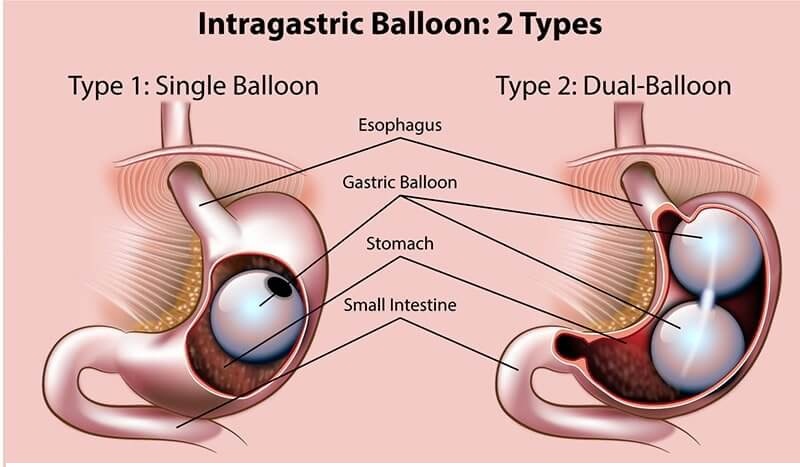
An intragastric balloon is a soft, silicone balloon inserted into the stomach to reduce the amount of food the stomach can hold. Once in place, the balloon is filled with saline solution, which partially fills the stomach, creating a feeling of fullness and helping to limit food intake. This procedure is typically temporary, as the balloon is removed after six months, though some types may last up to a year.
How Does the Procedure Work?
The intragastric balloon is inserted through a minimally invasive endoscopic procedure, which typically takes less than 30 minutes. Here’s a step-by-step breakdown:
- Preparation: The patient is sedated to ensure comfort during the procedure.
- Insertion: A deflated balloon is placed into the stomach through the mouth, using an endoscope (a flexible tube with a camera).
- Inflation: Once in the stomach, the balloon is filled with sterile saline solution to a size that effectively restricts the stomach’s capacity.
- Post-Procedure: Patients are monitored for a short period and can usually return home the same day.
Mechanism of Action How Does It Help with Weight Loss?
The primary mechanism by which the intragastric balloon promotes weight loss is through volume restriction. By occupying space in the stomach, the balloon:
- Reduces Appetite: The constant presence of the balloon creates a feeling of fullness, which helps control hunger.
- Limits Food Intake: With less available space in the stomach, patients tend to eat smaller portions.
- Promotes Healthier Eating Habits: Many patients find they become more mindful of their eating patterns and establish healthier habits during the period the balloon is in place.
Benefits of the Intragastric Balloon
The intragastric balloon offers several advantages, especially for those seeking an alternative to surgery:
- Non-Surgical: Unlike gastric bypass or sleeve gastrectomy, the balloon procedure does not require incisions or alteration of stomach anatomy.
- Short Procedure and Recovery Time: The endoscopic insertion takes under an hour, with minimal downtime.
- Temporary: The balloon is removed after a set period, usually six months, which means there are no permanent anatomical changes.
- Effective for Initial Weight Loss: Patients often experience significant weight loss within the first few months, which can lead to improved health outcomes, such as better blood sugar control and reduced blood pressure.
Risks and Potential Side Effects
While the intragastric balloon is generally safe, it does come with some risks and side effects:
- Nausea and Vomiting: Common during the initial days after the procedure, as the stomach adjusts to the balloon’s presence.
- Discomfort and Cramping: These may persist for a few days and can be managed with medication.
- Balloon Deflation and Migration: In rare cases, the balloon may deflate and pass into the intestines, which can cause an obstruction and may require surgical intervention.
- Gastric Ulcers and Irritation: Some patients may develop stomach irritation, which can be managed with medications and careful monitoring.
Patient Eligibility for the Intragastric Balloon
Not everyone is an ideal candidate for the intragastric balloon. It is generally recommended for individuals who:
- Have a body mass index (BMI) between 30 and 40.
- Have not been able to lose weight through diet and exercise alone.
- Are not suitable candidates for, or are not interested in, surgical weight-loss procedures.
Life After the Intragastric Balloon Procedure
The intragastric balloon is intended to be a short-term tool to jumpstart weight loss. During the six months it is in place, patients are encouraged to make lifestyle changes, including:
- Dietary Adjustments: Working with a nutritionist to create a balanced, portion-controlled eating plan.
- Physical Activity: Incorporating regular exercise into their routine to improve physical fitness and maintain weight loss.
- Behavioral Therapy: Addressing emotional and behavioral aspects of eating can help patients avoid regaining weight once the balloon is removed.
Long-Term Efficacy and Results
Studies show that the intragastric balloon can result in significant weight loss when combined with lifestyle changes. Most patients lose between 10-15% of their body weight over six months. However, the key to sustained weight loss is committing to a healthier lifestyle after the balloon is removed.
Future Developments and Innovations in Intragastric Balloons
The field of non-surgical weight loss devices is evolving rapidly, and ongoing research aims to improve the safety, comfort, and effectiveness of intragastric balloons. Some promising innovations include:
- Adjustable Balloons: Newer types of balloons can be inflated or deflated without additional procedures, allowing for customization to suit individual patient needs over time.
- Dual or Sequential Balloon Systems: Some systems involve two balloons, or balloons that are inserted in stages, to gradually increase restriction and enhance weight loss outcomes.
- Extended Duration Balloons: Researchers are exploring materials and designs that can safely keep balloons in place for up to 12 months, potentially offering a longer-lasting option for patients.
- Biodegradable Balloons: Self-deflating or biodegradable balloons are being developed to eliminate the need for removal procedures, making the treatment even less invasive.
These advancements could expand the suitability and effectiveness of intragastric balloons, making them an option for a broader range of patients and possibly even improving long-term weight management outcomes.
Intragastric Balloon vs. Other Weight Loss Treatments
The intragastric balloon is one of several options available for weight loss, each with unique benefits and considerations. Here’s how it compares with other popular weight-loss interventions:
- Lifestyle Modification Alone: While diet and exercise are fundamental to any weight loss plan, they often produce limited results for individuals with obesity, especially without additional support. The intragastric balloon can be a useful adjunct to help patients see more immediate weight loss, which can be motivating.
- Bariatric Surgery: Gastric bypass, sleeve gastrectomy, and other bariatric surgeries are highly effective for severe obesity but come with permanent changes to the body and longer recovery times. The balloon offers a temporary, reversible alternative for patients who may not be ready or eligible for surgery.
- Medications: Weight loss medications can help some patients but often have side effects and may not be effective for everyone. The intragastric balloon, by directly restricting food intake, can be a more straightforward and impactful method for some.
- Endoscopic Sleeve Gastroplasty (ESG): Another minimally invasive option, ESG reshapes the stomach using sutures to reduce its volume. While longer-lasting than the intragastric balloon, ESG is more invasive and requires longer recovery, making the balloon a gentler choice for some.
Preparing for Success with the Intragastric Balloon
The success of the intragastric balloon relies not only on the device itself but on the patient’s commitment to lasting lifestyle changes. Here are some essential tips for those considering this treatment:
- Work Closely with Your Healthcare Team: Regular follow-ups with a medical team, including a nutritionist and possibly a psychologist, can provide valuable support.
- Set Realistic Goals: While the balloon can lead to substantial weight loss, realistic expectations are essential. Patients should aim for gradual weight loss and focus on overall health improvements.
- Adopt Sustainable Habits: The period with the balloon in place is an ideal time to establish habits that can be sustained long after the balloon is removed.
- Plan for Life After Removal: Since the balloon is only a temporary aid, patients need to be prepared for its removal and maintain the same dedication to their new habits.
Cost Considerations and Insurance Coverage
The cost of an intragastric balloon procedure can vary significantly based on location, healthcare provider, and the type of balloon used. In many countries, insurance coverage for the procedure is limited, as it is often considered elective or cosmetic. However, some insurance providers may cover part or all of the cost if the patient meets specific medical criteria, such as having a high BMI and other obesity-related health conditions. Patients should consult with their healthcare providers and insurance companies to determine coverage options and explore potential payment plans or financing options.
Conclusion
The intragastric balloon offers an innovative, non-surgical approach to weight loss, serving as a valuable tool for individuals who need help initiating their journey toward a healthier weight. Its advantages include simplicity, reversibility, and the ability to promote meaningful lifestyle changes. While it is not a permanent solution, the balloon can help patients develop the habits necessary for long-term weight management and overall health improvement.
However, it’s essential for patients considering this procedure to understand both its potential and its limitations. As with any weight loss intervention, the intragastric balloon works best when combined with a commitment to a healthier lifestyle, including a balanced diet, regular physical activity, and behavioral changes. For many, this combination can lead to a healthier, more fulfilling life, paving the way to sustained weight management and improved well-being.
